
Guides
Top 5 Things to Do in London This Week: 21–27 September 2026
Sudanese experimental cinema, forensic sound art, fresh electro-funk, a loom that sings and treasures from the Thames: five distinctive London plans for the week ahead.
20 Sept 2026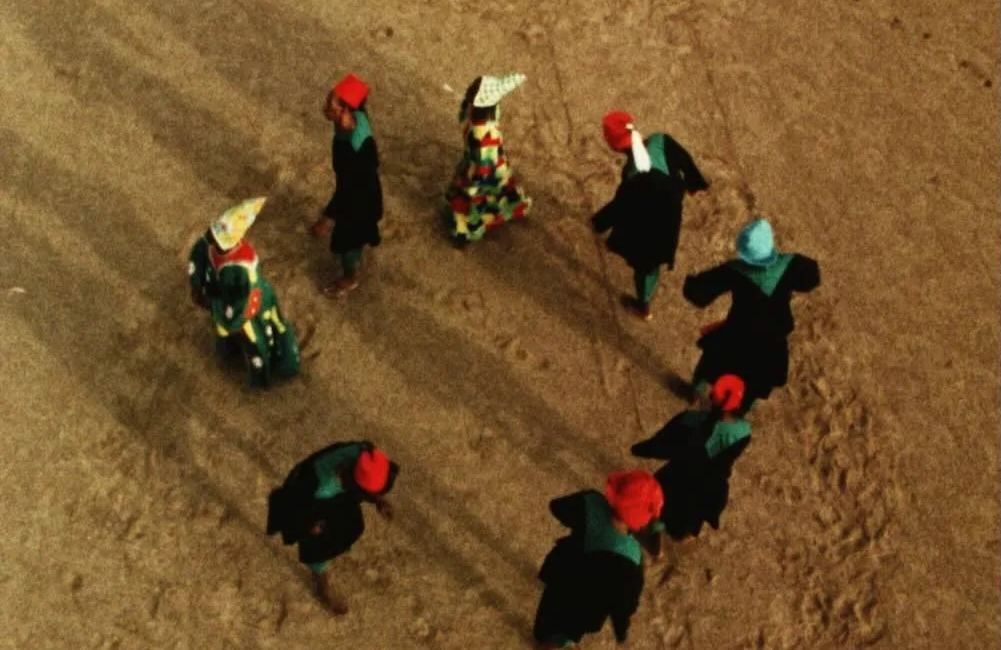
The best reason to go out in London this week is not a single blockbuster but the chance to move between very different ways of seeing and listening. From Monday 21 to Sunday 27 September, film becomes an argument about exile, sound becomes evidence, a small-stage gig catches two artists in full flight, a loom turns into an instrument, and the Thames gives up clues to the people who once worked along its banks.
These five plans are specific to the week and worth making time for. Some are free, some ask you to book, and all offer more than a generic night out: each has a clear idea at its centre and the right setting to bring it to life.
1. Discover Hussein Shariffe’s cinema of exile
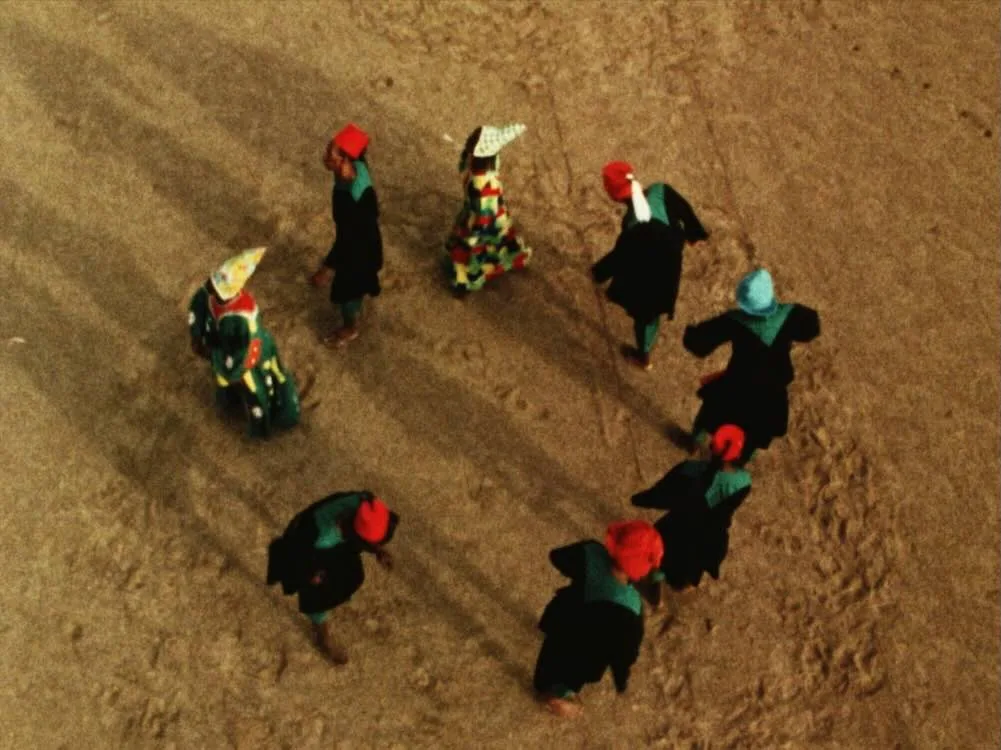
Hussein Shariffe was a painter, poet and filmmaker whose life ran between Sudan, Britain and, after the 1989 coup, exile in Egypt. This one-night ICA retrospective brings together two of his key films: The Dislocation of Amber (1975) and Tigers Are Better Looking (1979). Their subjects—displacement, memory and the uneven encounter between cultures—were not abstract themes for Shariffe. He developed them through image, rhythm and symbolism, making cinema that can feel at once politically alert and dreamlike.
The Dislocation of Amber uses the Red Sea port of Suakin and the voice of Sudanese singer Abdel-Aziz Dawoud to create a film of fragments rather than a tidy historical account. Tigers Are Better Looking, adapted from Jean Rhys, compresses literary interiority into a passage between Sudan and Britain shaped by race, class and estrangement. Seen together, the films offer a rare London encounter with an artist who deserves a larger place in the history of the moving image. Shasha Movies, the independent platform for artist film, presents the programme.
When and where: Tuesday 22 September at 6.30pm, Cinema 1, ICA, The Mall, SW1Y 5AH. Seating is unassigned and advance booking is recommended; the ICA asks visitors for whom ticket cost is a barrier to contact its access team. Book through the ICA event page.
2. Listen to sound become evidence at the Barbican

Turner Prize-winning artist Lawrence Abu Hamdan and the non-profit research organisation Earshot take over the Barbican for four days with Repercussions, a programme about who controls the sounds around us and what listening can prove. Its free centre is Zifzafa, pairing a video-game simulation of proposed wind turbines in the Israeli-occupied Syrian Golan Heights with saxophonist Amr Mdah performing beside the proposed site. The work asks how apparently invisible noise can reshape land, health and political power.
That idea expands across performances, screenings and discussions. Abu Hamdan’s 450 XL: A Silent Movie examines a reported sonic attack during a vigil in Belgrade; Matthew Herbert and Rana Eid revisit the Sykes–Picot agreement through sound; and a Saturday session brings artists, investigators and legal researchers together to ask how audio can document violence when images fail or are disputed. It is an unusually coherent cross-arts programme: not a loose festival of sound, but a sustained case for listening as both an artistic practice and a civic right.
When and where: Wednesday 23 to Saturday 26 September, Barbican Centre, Silk Street, EC2Y 8DS. Zifzafa is free in The Pit from noon–8pm daily. Other events are individually ticketed, including the final performance on Saturday at 7.30pm (£20–£25). See the full Repercussions programme on the Barbican website.
3. Meet Astels in the room where funk becomes pop

French duo Astels began with home-recorded jam sessions: Théo moving between instruments and production, Camille carrying the melodic centre. That informal chemistry is still audible as their music shifts between electro-funk, R&B and pop. The grooves are bright and immediate, but the appeal is not just polish; their songs keep the small improvisatory turns that make two musicians sound like they are answering each other rather than simply reproducing a track.
The 100 Club is an apt place to catch that exchange. Its low ceiling and close sightlines leave little distance between performers and audience, while support from London-based Chinese singer, producer and multimedia artist Sakakosmos should pull the night towards dreamier electronic territory. Her work crosses alt-pop, soul, composition and visual storytelling, making this a thoughtfully matched bill rather than a headline set with an afterthought attached. Presented by Real Sounds, it is a chance to see two emerging projects before larger rooms start changing the scale of the conversation.
When and where: Thursday 24 September at 7.30pm, The 100 Club, 100 Oxford Street, W1D 1LL. The show is 18+ and general admission is £17.47. Book on the Real Sounds event page.
4. Hear a loom carry the memory of work
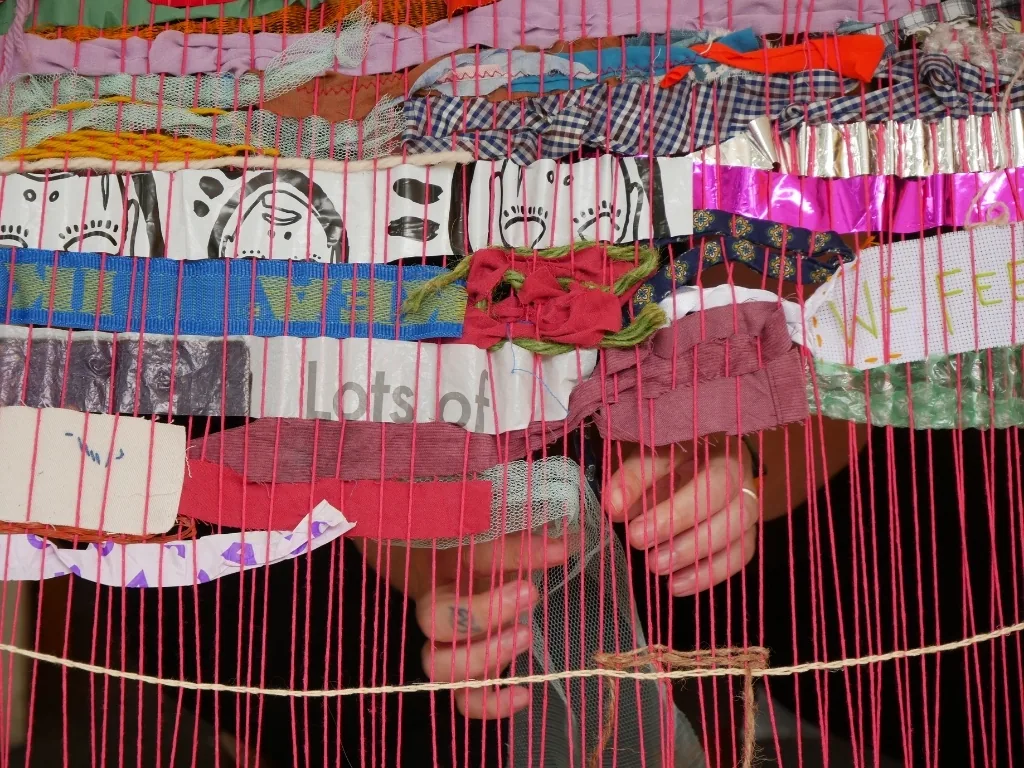
In loomeweight II, two performers sit opposite each other and use the weight of their bodies to tension a backstrap-style loom. As they weave, voices, fragments of folk song, mechanical loom sounds and archival recordings are woven beside the cloth. The structure is simple enough to understand at a glance, but it makes labour visible in two forms at once: the physical strain that holds the textile together and the inherited musical knowledge that survives through repetition.
The 45-minute performance treats weaving neither as quaint heritage nor as decorative backdrop. It becomes a score, a social arrangement and a method of remembering what official archives often leave out. That feels particularly resonant at the Museum of the Home, where domestic objects are already asked to carry histories of class, migration and everyday life. Part of London Textile Month, the piece should reward close listening—the small changes in tension, rhythm and breath are the event, not incidental texture around it.
When and where: Saturday 26 September, 2–3pm, The Hive at Museum of the Home, 136 Kingsland Road, E2 8EA. Tickets are £14–£16 and advance booking is offered through the museum. Find tickets and access information on the Museum of the Home page.
5. Read London’s history in objects from the Thames
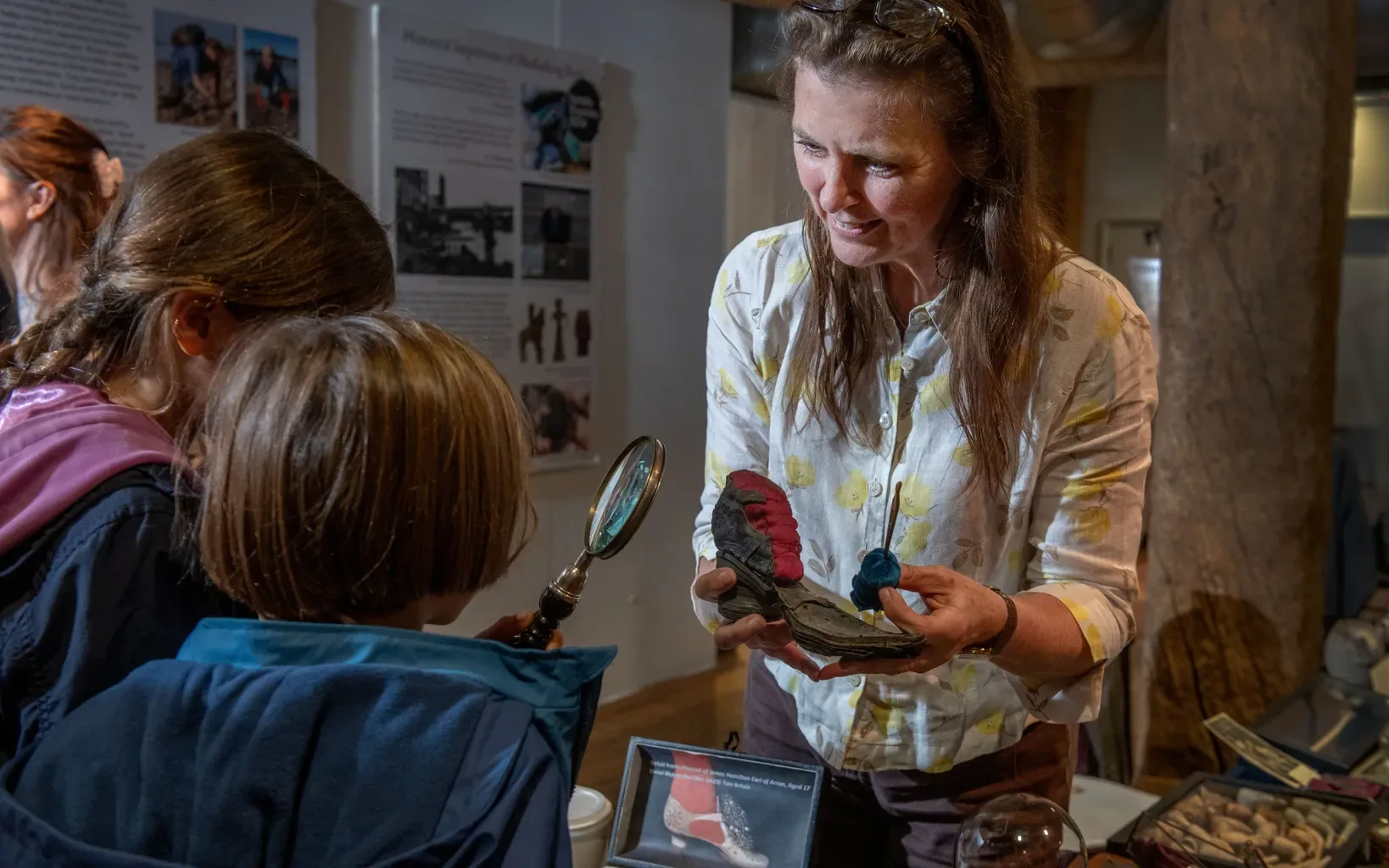
Mudlarking turns the Thames foreshore into a broken, tide-sorted archive. Clay pipes, trade tokens, pottery and tools can reveal the routines of Londoners who rarely appear in grand histories; the challenge is learning how to read an object without inventing a story for it. London Museum Docklands devotes a weekend to that practice, bringing mudlarks and their collections into the museum for a free showcase alongside talks and hands-on activities.
The programme ranges from Dr Alessio Checconi tracing international trade through foreshore finds to Nicola White reconstructing working life on the river. Adults can try an archaeological dig, families can book their own sessions, and the museum’s Secrets of the Thames exhibition gives the weekend a wider frame. What makes it stand out is the meeting of expertise and curiosity: visitors can look closely, ask how objects were identified and understand the river not as scenery but as a material record of labour, exchange and loss.
When and where: Saturday 26 and Sunday 27 September, 10am–5pm, London Museum Docklands, No. 1 Warehouse, West India Quay, E14 4AL. The object showcase and museum entry are free; talks and activities have separate arrangements, and advance booking is recommended for ticketed sessions. Plan the weekend through the official London Museum listing.
Pick the one that changes how you look—or listen—and let the rest of the week rearrange itself around it.