
Guides
Top 5 Things to Do in London This Week: 31 August–6 September 2026
From a close-quarters Real Sounds show and a talking woodland to Black London in Trafalgar Square, Roman objects beneath the City and rare Pan-African cinema: five reasons to go out this week.
30 Aug 2026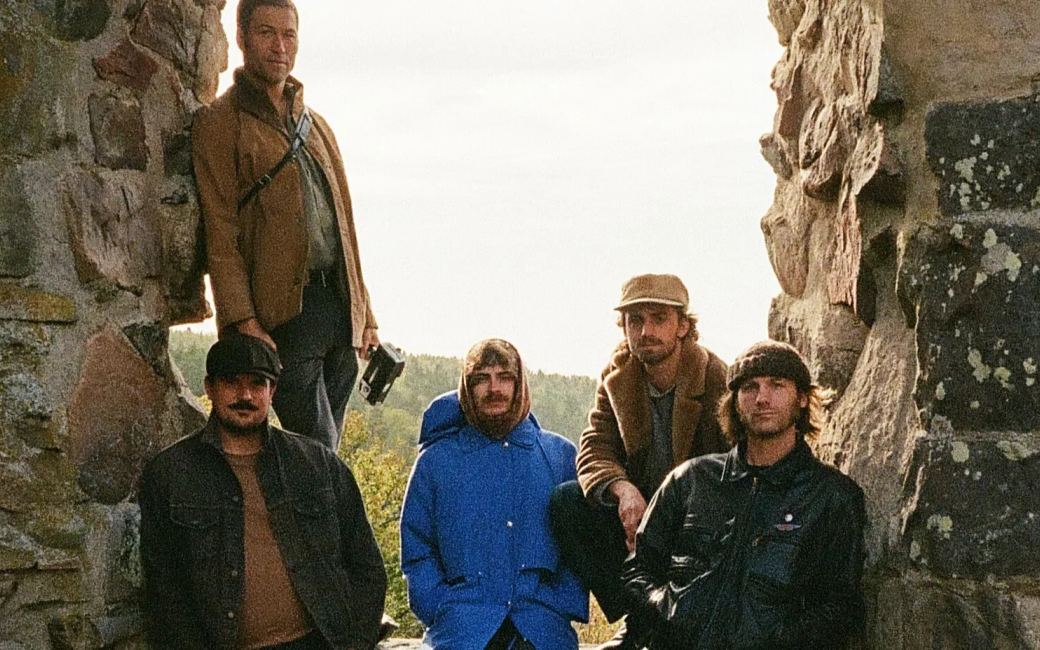
The week after Carnival does not ask London to calm down. Between Monday 31 August and Sunday 6 September, the city offers a small-room transatlantic band, an artwork hidden inside a former munitions store, a celebration of Black London in Trafalgar Square, Roman objects brought back from the Thames, and a final weekend of rare Pan-African cinema.
The useful thread is specificity. None of these is a generic attraction waiting for any spare afternoon: each belongs to this week, and several disappear when Sunday ends. Prices run from free to £15.50, with one concert a little above that after its final-release change, so there is room to build a good week without treating culture as a luxury purchase.
1. Hear HORSEBATH find the spark at The Social
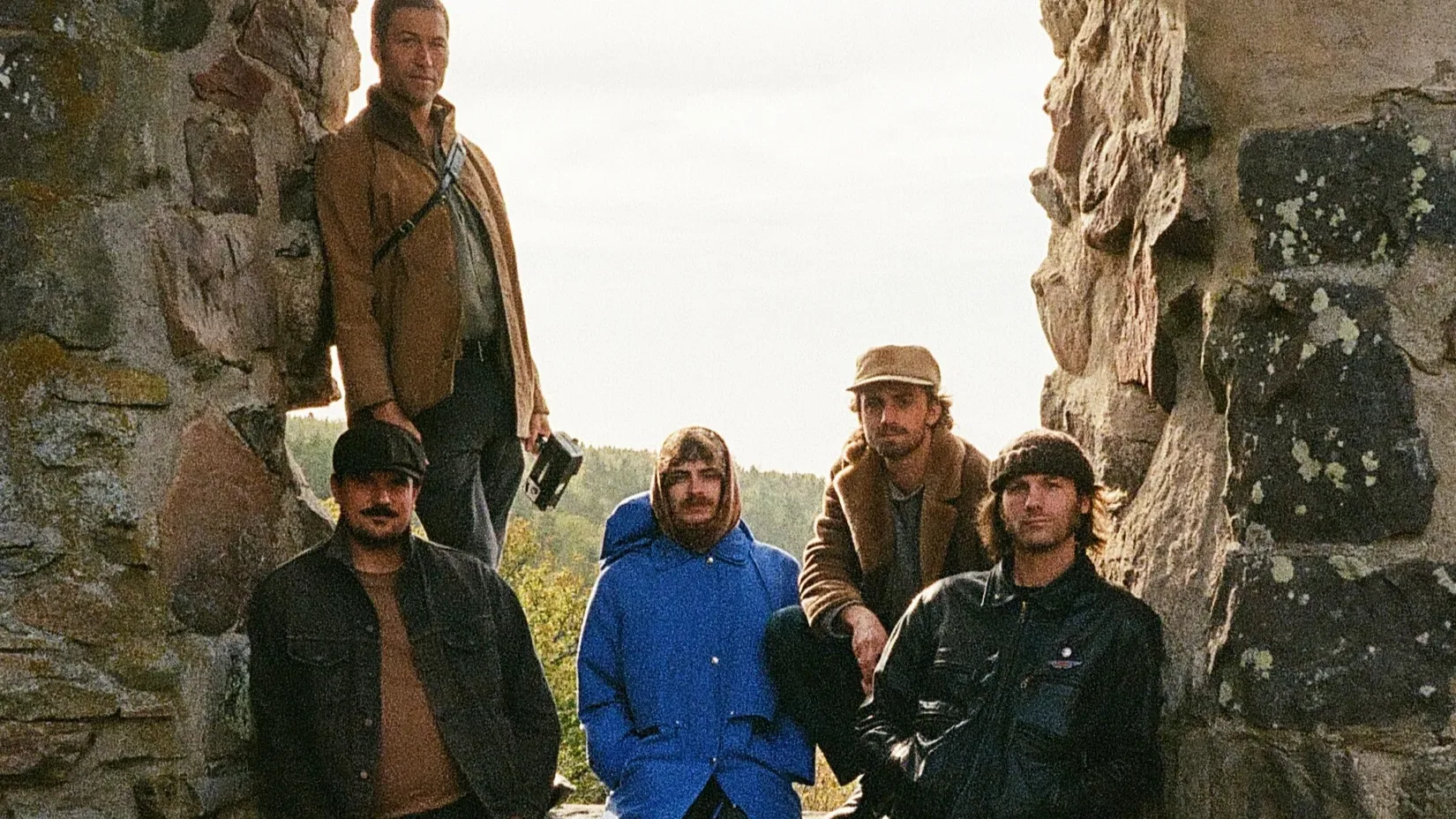
HORSEBATH make the kind of music that depends on several minds arriving at the same idea from different directions. The band has three lead singers and four multi-instrumentalists; their own account of writing “Hard to Love” begins with an aimless jam, passes through a Tex-Mex shape and lands in close harmonies and lyrics about the damage caused by knowing you will not stay put. That mixture of restlessness and craft should fit The Social particularly well: this is a basement where the exchange between players remains visible.
The supporting bill is intelligently mismatched. Scarlet Sometimes bring a sharp British-Invasion-meets-New-York-garage charge, while New York-born, London-based Esme White folds poetry, myth, country, folk and punk into songs that can carry a bloody nose alongside an underworld reference. Presented by Real Sounds, the night feels like three different arguments for what guitar music can still do in a compact central-London room.
When and where: Thursday 3 September, doors 7pm, The Social, 5 Little Portland Street, W1W 7JD. The show is 18+. General admission is £15.30; Book through the Real Sounds event page.
2. Let a former munitions store speak back
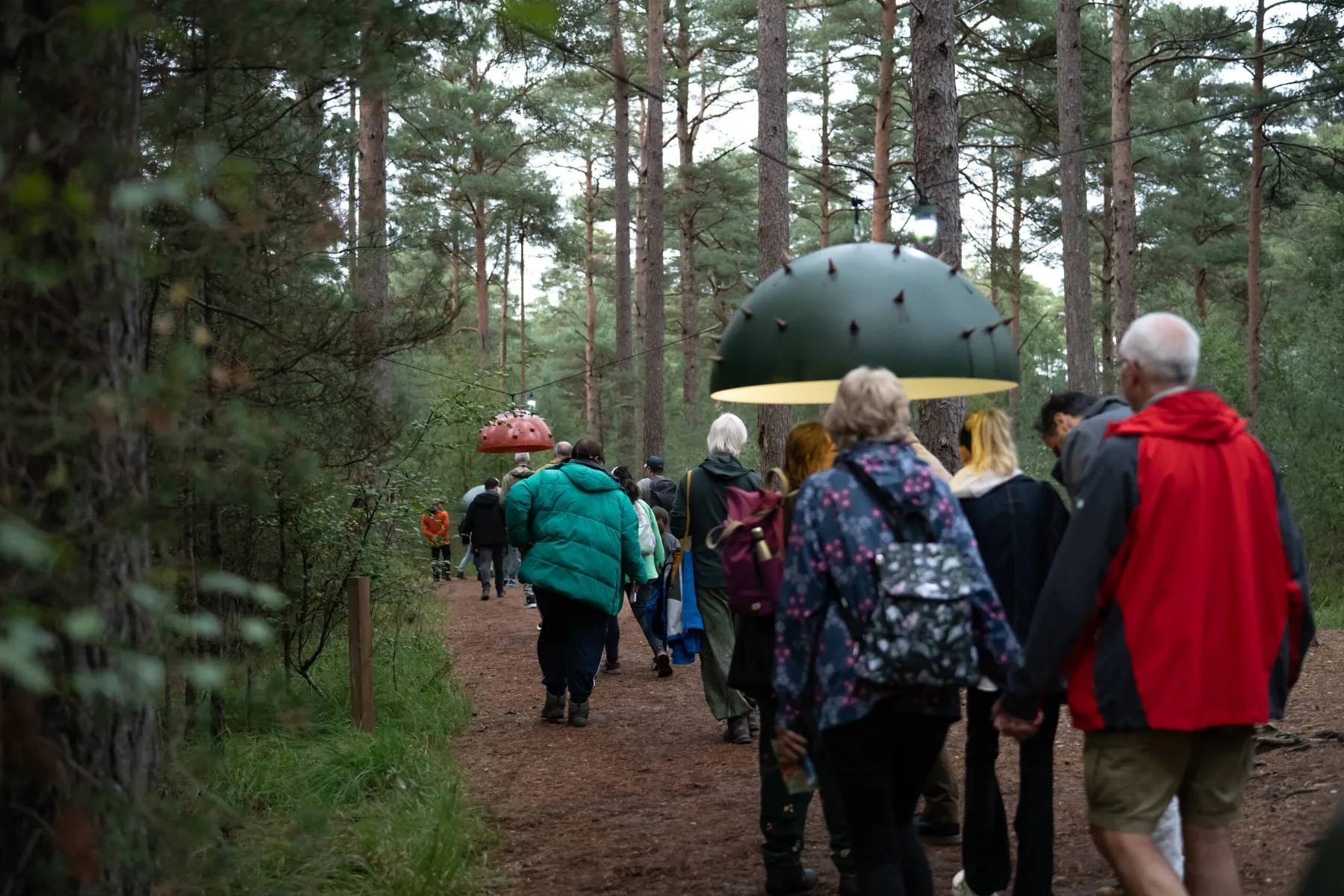
Tump53 is already a strange piece of London: once part of the Royal Arsenal’s munitions storage system, it is now a nature reserve in Thamesmead. For Nature Speaks, Greenwich+Docklands International Festival puts that history of human use into conversation with a landscape that has carried on growing. The experience has two parts. Canopy leads visitors through woodland with sound, music, ingenious sculptural forms and more than 500 recorded contributors; I Have No Name moves into a meadow, where an outdoor text installation gives nature a voice that shifts between intimacy and prophecy.
The pairing avoids the soft-focus version of environmental art. A woodland is not merely scenery here: it listens, remembers and judges. The former military function of the site adds another layer, making the walk feel like an encounter with competing ideas of protection, damage and survival. It is also thoughtfully accessible for an outdoor work, with level access, a staffed viewing area and a relaxed format, although the reserve still includes grass, soil and narrow paths.
When and where: Friday 4 and Saturday 5 September at 12.30pm, 3pm and 5.30pm, Tump53 Nature Reserve, Water Lily Walk, Thamesmead, SE28 8AS. The experience is free; the official page offers free booking and also says visitors can simply turn up. Allow for loud sound and fast-moving visuals. Check the latest access and attendance details from GDIF.
3. Hear Black London claim the centre of the city
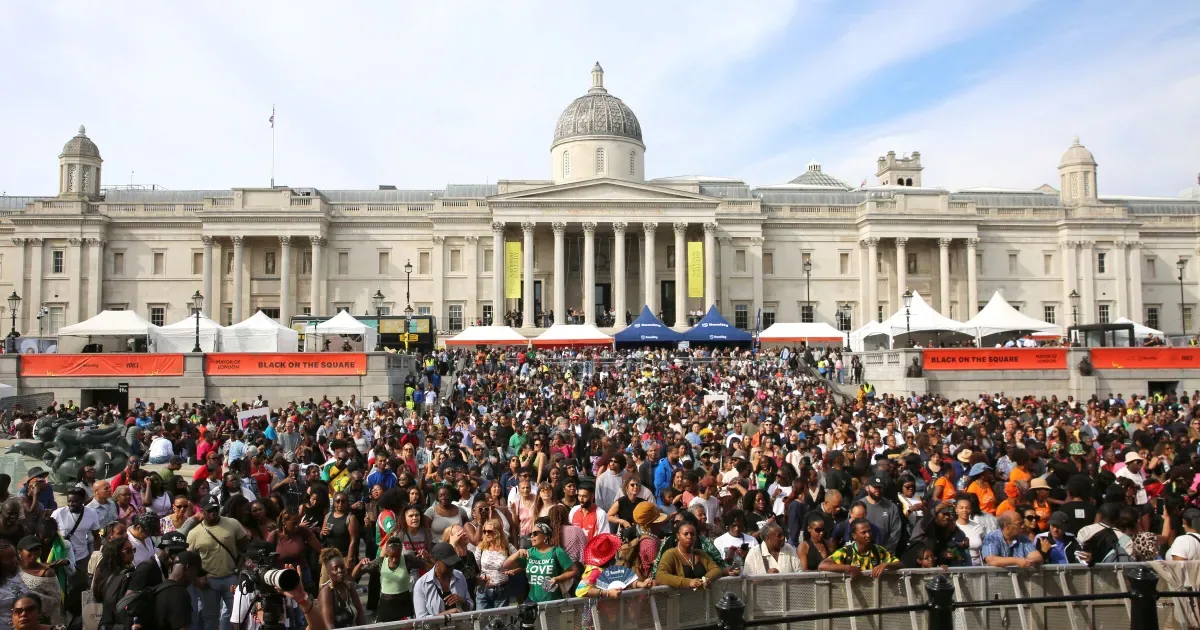
Black On The Square returns under the theme “This is our London”, which is less a marketing line than a claim about who has made the capital sound and move as it does. The programme connects several anniversaries: 60 years of Notting Hill Carnival, 35 years of Tomorrow’s Warriors, 30 years of the MOBO Awards and 20 years of LatinoLife. The stage moves accordingly, from Triniboi Joocie’s soca to FIBI’s alternative R&B and neo-soul, the ska and reggae of Tomorrow’s Warriors’ Nu Establishment, and Viva Sound System’s live reggaeton and baile funk.
There is plenty beyond the main stage. Black-owned traders, food, family workshops, dominoes and ludi, DJ and music-production sessions, fitness and Black British theatre make this a festival you can enter at several different speeds. Its most interesting quality is the way institution and grassroots practice meet in public: Trafalgar Square becomes a civic room where artist development, club culture, family ritual and political visibility sit beside one another instead of being separated into specialist venues.
When and where: Saturday 5 September, noon–6pm, Trafalgar Square, WC2N 5DN. Entry is free and unticketed. Arrive early if you want an easy position: capacity is managed, bags larger than A4 are not allowed and entry includes a bag search. The event is wheelchair accessible, with BSL on spoken main-stage content and a hearing-loop viewing area. Read the programme and entry conditions from London City Hall.
4. Handle Roman London beneath the Guildhall
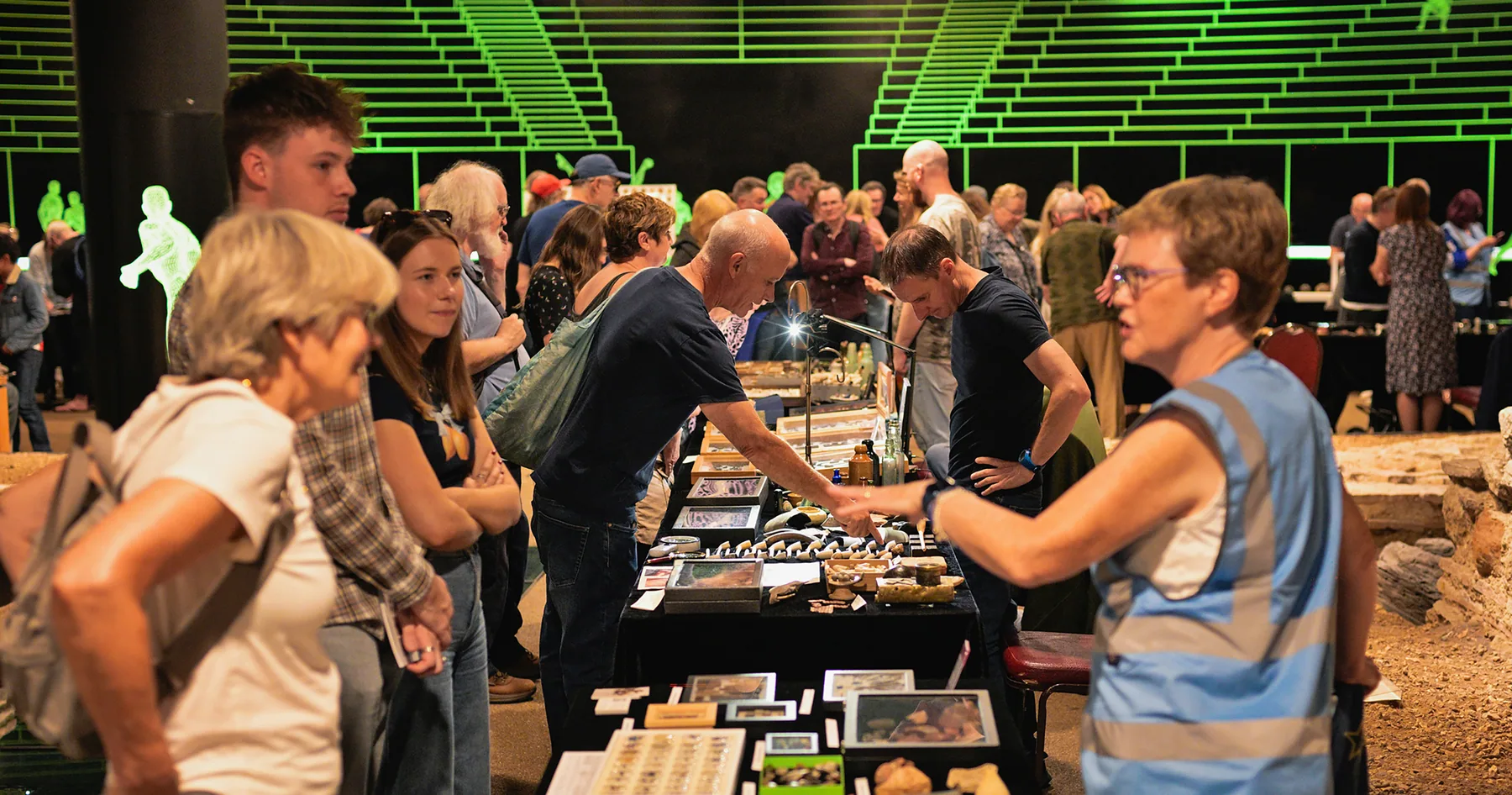
London’s Roman amphitheatre is hidden below the Guildhall Art Gallery, beneath a city that has repeatedly built over itself. This weekend, mudlarks bring private collections of Roman objects recovered from the Thames into that underground space. The satisfying twist is that the objects are not sealed behind the usual museum distance: visitors can meet the people who found them and handle personal things lost by Londoners more than 1,600 years ago.
That physical contact changes the scale of history. “Roman London” can sound like a diagram of walls, roads and imperial administration; a worn object that once sat in somebody’s hand restores awkwardness, use and chance. The amphitheatre sharpens the effect. It was a site of spectacle, punishment and combat, and now it hosts the quieter afterlife of things that slipped into the river. Go for the artefacts, but make time to register the strange vertical journey from modern financial district to ancient arena.
When and where: Saturday 5 and Sunday 6 September, 10am–4pm, Guildhall Art Gallery, Basinghall Street, EC2V 5AE. Admission is free and no booking is required; just come along. St Paul’s is listed as the nearest station on the festival page. See the official Totally Thames listing.
5. Spend the final weekend with a Pan-African film atlas
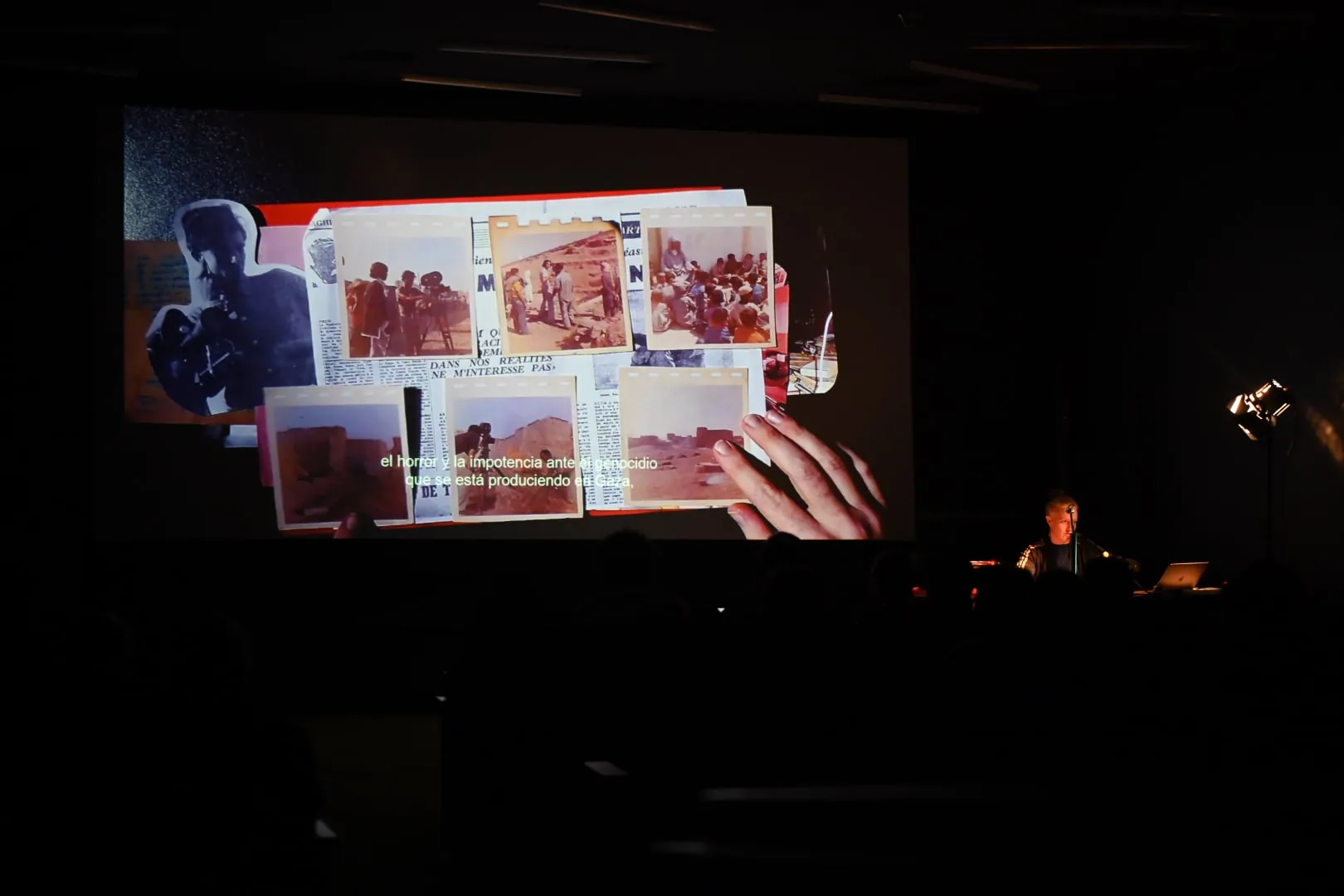
The Barbican’s Project a Black Planet film season ends by turning four cities into points on a political and cinematic map. Ambiguous Encounters: Pan-Africanism in the Post-Colonial City marks 60 years since both the Tricontinental Conference and the First World Festival of Negro Arts, then follows their echoes through Havana, Dakar, Algiers and Lagos. The programme does not treat international solidarity as a smooth historical success. Its rare films, documentaries and live lecture formats make room for estrangement, hierarchy, fragmented archives and the difficult reality of diasporic encounter.
Saturday opens with Léa Morin’s performance-lecture on Havana at 2pm, followed at 4pm by films of the 1966 Dakar festival and its uneasy afterlives. Sunday’s 2pm Algiers programme reaches from early Lumière images to newsreels and Nabil Djedouani’s Afric Hotel; at 4pm, Ola Balogun’s Black Goddess folds Afro-Brazilian return, romance and spiritual practice into a time-travelling epic. Taken together, the four sessions offer a richer weekend than a single “important” film dutifully consumed in isolation.
When and where: Saturday 5 and Sunday 6 September at 2pm and 4pm, Barbican Cinema 1, Silk Street, EC2Y 8DS. Standard tickets are £15.50, with concessions available; booking two or more films together brings a 20% discount. Tickets were still being offered when checked. Choose a city and book through the Barbican programme.
Five events, five different versions of London, and none of them will wait politely for another week.